Buying a pre-owned vehicle is one of the smartest financial moves you can make. By learning how to inspect a used car before buying, you completely bypass the brutal depreciation hit that brand-new vehicles take the moment they are driven off the showroom floor. However, buying pre-owned also comes with inherent risks. Without a structured, careful evaluation, a seemingly great deal can quickly transform into a financial disaster filled with unexpected repair bills, hidden structural damage, and constant mechanical headaches.
Whether you are browsing listings from a private seller on Facebook Marketplace or visiting a local dealership lot, knowing how to inspect a used car before buying protects your hard-earned money. This comprehensive, in-depth guide walks you through a rigorous, step-by-step framework to ensure that you make an informed investment and drive away with absolute peace of mind.
1. Do Your Homework Before Seeing the Car
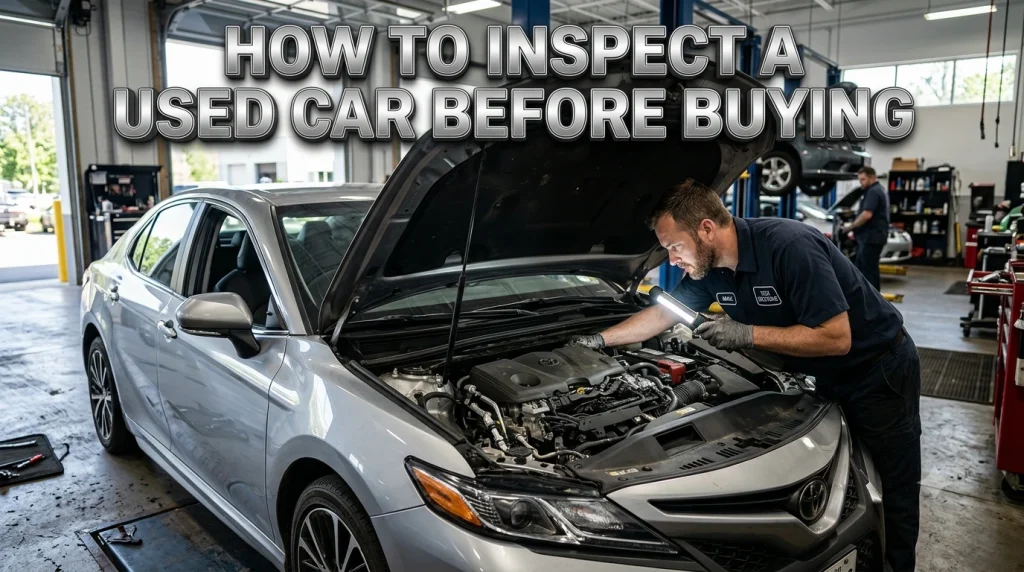
A successful vehicle evaluation always starts long before you physically lay eyes on the car. Knowing how to inspect a used car before buying begins with proper preliminary research, which saves you valuable time, prevents emotional buying decisions, and helps you spot red flags early.
- Check the Market Value: Look up the vehicle on trusted pricing platforms like Edmunds to understand its true market value based on its specific year, make, model, trim level, and mileage.
- Research Common Model Issues: Every single car model has its unique mechanical quirks and factory defects. Spend time reading automotive forums to understand how to inspect a used car before buying when checking for known model defects.
- Inspect the Vehicle History Report: Always request or pull a detailed vehicle history report using the car’s VIN (Vehicle Identification Number). This report exposes past accidents, title issues (such as salvage, flood, or rebuilt titles), odometer rollbacks, and past service records. For more guidance on finding reliable budget vehicles, check out our guide on best used cars under 10000.
- Verify Seller Legitimacy: Ensure the name on the title matches the person selling the vehicle, and confirm that there are no active liens or loans against the car.
- Search for Guides: Learning how to inspect a used car before buying gives you a huge advantage when dealing with seller claims.
2. Exterior Walkaround and Body Alignment
When learning how to inspect a used car before buying, exterior body panels give away vital clues about collision history. Make sure the vehicle is parked on level ground and exposed to bright, natural daylight. Never evaluate a vehicle at night, in a dimly lit garage, or in heavy rain, as water droplets and darkness can easily mask major cosmetic flaws, paint mismatches, and structural body damage.
- Check the Paint and Body Panels: Walk slowly around the car and look down the sides of the body at a sharp angle. Inconsistent paint texture, an “orange peel” effect, overspray on rubber weatherstripping, or mismatched shade tones strongly indicate previous accident repair and bodywork.
- Inspect Panel Gaps and Alignment: The gaps between doors, the hood, fenders, and the trunk should be completely uniform and symmetrical all the way around. Uneven or jagged gaps suggest the car has been involved in a heavy collision and poorly realigned.
- Look for Rust and Corrosion: Carefully check the wheel arches, rocker panels, undercarriage, and the bottom edges of all doors. Understanding how to inspect a used car before buying includes checking whether frame rust compromises crash safety.
- Examine the Glass and Windshield: Look closely at the windshield and side windows for deep chips, stress cracks, or pitting. Check if the manufacturer logo on the glass matches the rest of the car, as a replaced windshield can sometimes hint at a major front-end collision.
3. Tires, Wheels, and Suspension Check
Tires and suspension components tell a massive, unfiltered story about how a car was driven, aligned, and maintained by its previous owner. Knowing how to inspect a used car before buying involves closely examining these parts.
- Measure Tread Depth: Check the remaining tread depth using a standard coin test or a dedicated tread depth gauge. Uneven tread wear such as the tire wearing out excessively on the inside or outside edges indicates poor wheel alignment, worn suspension components, or underlying steering rack issues.
- Check Tire Age via DOT Codes: Look at the four-digit DOT code stamped on the sidewall of each tire (for example, a code like “2423” means the 24th week of 2023). Tires that are older than six years require immediate replacement due to rubber dry-rot and degradation, even if the tread pattern looks visually thick.
- Perform the Suspension Bounce Test: Go to each corner of the vehicle, lean your body weight down, push hard, and let go. The car should bounce once and stabilize immediately. If the vehicle continues bouncing up and down, the shock absorbers or struts are completely worn out and need replacement.
- Examine Alloy Wheels: Look for deep curb scrapes, bends, or cracks on the inner and outer rims, which can cause slow air leaks and violent steering vibrations at highway speeds.
- Make a Checklist: Always bring a checklist when practicing how to inspect a used car before buying at a dealership or private seller location.
4. Engine Health and Fluid Inspection
Popping the hood is a critical phase when you figure out how to inspect a used car before buying, revealing the core operating health of the engine. You do not need to be a master mechanic to spot major red flags that signal poor engine maintenance.
- Check Fluid Conditions and Levels: Pull the engine oil dipstick and inspect the oil on a clean paper towel. The oil should be amber or light brown; if it is thick, black, sludgy, or smells burnt, the car has missed critical oil changes. Next, check the transmission fluid, brake fluid, power steering fluid, and coolant reservoirs to ensure they are clean, properly filled, and free of oil contamination or milky residue.
- Look for Engine Leaks: Use a flashlight to inspect the ground beneath the engine bay for fresh puddles. Anyone learning how to inspect a used car before buying should examine the engine block for wet spots, heavy oil grime, or crusty residue.
- Inspect Hoses and Drive Belts: Rubber belts and cooling hoses should feel firm, flexible, and pliable. If you notice severe surface cracks, fraying edges, or soft, mushy spots on the hoses, they are overdue for replacement.
- Check Battery Condition: Look at the battery terminals for heavy blue or white powdery corrosion buildup, and check for an installation date sticker to gauge how much life the battery has left.
5. Interior Cabin, Electronics, and Features
You will spend 100% of your time driving from inside the cabin, making it vital to know how to inspect a used car before buying regarding all interior electronics before finalizing a deal.
- Test Climate Controls: Turn the climate control system to maximum cold AC and maximum heat. A failing AC compressor, a broken blower motor, or a leaking heater core can cost hundreds or even thousands of dollars to fix.
- Systematically Test Electronics: Test every single power window, door lock, power seat adjustment, sunroof mechanism, windshield wiper speed, horn, headlights, high beams, turn signals, and interior dome light.
- Infotainment and Dashboard Systems: Check if the radio, Bluetooth pairing, touchscreen display, backup camera, and USB ports function correctly. Ensure no persistent warning lights such as the Check Engine light, ABS, Airbag, or Oil Pressure light remain illuminated on the instrument cluster once the engine starts.
- Smell the Interior Cabin: Be extremely cautious of a heavy, overpowering scent of air freshener, heavy perfume, or bleach. A crucial tip on how to inspect a used car before buying is detecting masked mold or water damage.
- Inspect Seats and Seatbelts: Check seat adjustment mechanisms, seat cushion wear, and pull each seatbelt all the way out to inspect for fraying, mold spots, or lock-up failures.
6. Real-World Test Drive Evaluation
The test drive is the ultimate truth serum where all your theoretical evaluations turn into real-world feedback. Never rush the process when learning how to inspect a used car before buying during the driving phase.
- Cold Starting and Engine Idling: Try to start the car with a completely cold engine if possible. Listen closely for any strange ticking, tapping, knocking, or high-pitched squealing noises under the hood during startup. Once running, the engine should idle smoothly without fluctuating RPMs or rough shaking.
- Transmission Shifting Quality: Pay intense attention to how the vehicle accelerates. Automatic transmissions must shift smoothly between gears without any harsh slipping, long hesitation delays, or violent jerking motions. Manual transmissions must engage the clutch cleanly without grinding or slipping.
- Steering Response and Alignment: Find a safe, straight stretch of road and briefly let go of the steering wheel for a second. Understanding how to inspect a used car before buying includes testing if the steering tracks completely straight.
- Braking Performance: Test the brakes firmly in a safe, open area. The car should come to a straight, controlled, and confident stop without pulling to one side, pulsing through the brake pedal, or making harsh metallic grinding noises.
- Exhaust Smoke Check: Have a friend watch the exhaust pipe while you start the car and accelerate. Blue smoke indicates burning engine oil, white sweet-smelling smoke indicates a coolant leak, and dark black smoke points to a rich fuel mixture.
- Take Your Time: Always take your time when practicing how to inspect a used car before buying from a private owner.
7. Professional Pre-Purchase Inspection (PPI)
Even after learning how to inspect a used car before buying and conducting your own physical evaluation, hidden electrical gremlins, worn sensors, and internal engine issues can easily escape an untrained eye. Before handing over any cash or signing a title, always take the vehicle to an independent, trusted mechanic for a professional Pre-Purchase Inspection (PPI).
A professional mechanic will hoist the vehicle up on a lift, scan the engine computer for stored diagnostic trouble codes, check compression levels, and provide an unbiased, written report detailing the true health of the vehicle. If a private seller or dealership flatly refuses to let you take the car to a local mechanic for a PPI, walk away immediately it is one of the biggest and most definitive red flags in the entire used car market.
By combining your knowledge of how to inspect a used car before buying with a professional mechanic’s official approval, you can successfully navigate the pre-owned market, dodge costly lemons, and buy your next vehicle with absolute confidence. For more expert automotive insights and vehicle shopping guides, review our complete archive on My Car Daily.