Standing on a dealership lot between a coupe and a sedan version of basically the same car, most buyers freeze up. They look similar in price, similar in badge, sometimes even share the same engine so what’s actually different, and does it matter for how you’ll use the car day to day?
Short answer: yes, it matters more than most people expect. Here’s the real breakdown of coupe vs sedan, without the marketing fluff.
The Core Difference: Doors, Not Just Looks
The obvious answer is doors sedans have four, coupes have two. But that’s really just the visible symptom of a deeper design choice.
Automakers and engineers actually define the two by interior space, not door count. A car qualifies as a sedan if it has at least 33 cubic feet of rear seating space; anything under that, even with four doors, technically counts as a coupe. That’s why a handful of modern “four-door coupes” exist they keep the sportier roofline and tighter cabin of a coupe while adding rear doors for convenience.
Both body styles use what the industry calls a “three-box” layout: engine compartment, passenger cabin, and an enclosed trunk, all treated as separate sections. That’s what separates both of them from hatchbacks, where the trunk and cabin blend into one open space.
Space and Practicality
This is where the coupe vs sedan debate really splits apart in daily use.
Sedans are built around the back seat. Four doors make it easy to load kids into car seats, help an older parent in and out, or just get groceries into the back without contorting yourself. The longer wheelbase typical of most sedans also tends to translate into a bigger trunk and folding rear seats for longer cargo like skis or flat-pack furniture.
Coupes trade that convenience for style. The sloped roofline that gives coupes their sportier silhouette eats directly into rear headroom and trunk opening size, so back seats are tighter and often awkward to access you’re leaning the front seat forward and climbing in, which gets old fast if you’re regularly carrying passengers.
If you carpool, have kids, or just haul stuff more often than not, this alone usually settles the debate in favor of the sedan.
Driving Feel and Styling
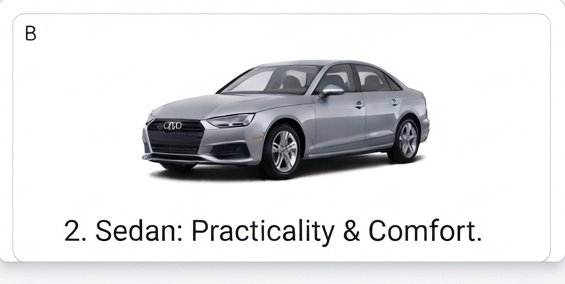
Coupes exist for a reason beyond just looking sharp the shorter body, lower roofline, and often a more rear-weighted design tend to make them feel tighter and more responsive in corners. If you genuinely enjoy driving and rarely need the back seat, that difference is real and noticeable, not just marketing.
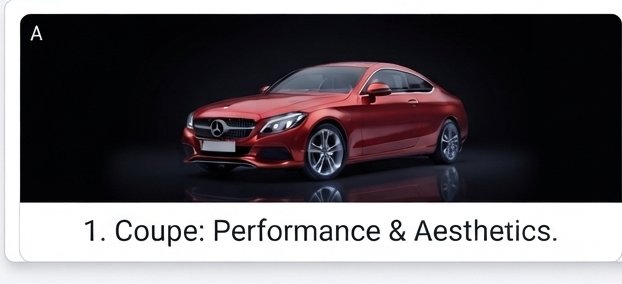
Sedans aren’t necessarily slow or boring, though plenty of performance sedans exist specifically to close that gap. But as a general rule, when a manufacturer builds both a coupe and sedan version of the same platform, the coupe usually gets the sportier tuning and the sedan gets the more comfortable, practical setup.
Insurance: The Cost Difference Most Buyers Don’t Expect
This is the part of the coupe vs sedan decision that surprises a lot of first-time coupe buyers. On average, two-door coupes cost noticeably more to insure than their four-door sedan counterparts insurers have found that coupe buyers, statistically, drive more aggressively and file more claims, so the premium reflects that risk profile rather than the car itself.
Sedans, especially loaded with modern safety features, tend to earn better insurance rates simply because insurers see them as everyday, lower-risk vehicles. That said, the gap isn’t universal an older, non-performance coupe can sometimes cost less to insure than a newer, heavily-optioned sedan. The only way to know for sure is to get real quotes on the specific models you’re comparing before you buy, and to check crash-test data from the IIHS or NHTSA for both.
Coupe vs Sedan: Which One Should You Actually Buy?
Boil it down to how you actually use a car day to day:
Go with a coupe if:
- You rarely carry rear passengers
- Cargo space isn’t a regular need
- You care more about driving feel and styling than practicality
- You’re comfortable with a likely higher insurance premium
Go with a sedan if:
- You regularly drive with passengers in the back seat
- You need reliable trunk space for groceries, luggage, or gear
- You want a lower, more predictable insurance cost
- You’d rather have easy four-door access than a sportier roofline
If you’re still weighing your options, it’s worth browsing our guides on best family cars if practicality is the priority, or checking out safest cars for new drivers if insurance costs and safety ratings matter most in your decision.
Frequently Asked Questions
What is the actual difference between a coupe and a sedan? The most visible difference is doors sedans have four, coupes have two but the technical distinction automakers use is rear interior space. Sedans have 33+ cubic feet of rear seating room; coupes have less.
Is a coupe car more expensive to insure than a sedan? Generally yes. Coupes are statistically associated with sportier driving and higher claim rates, so insurers tend to price them higher. The exact gap depends heavily on the specific models being compared, so getting quotes for both is the only reliable way to know.
Do coupes have less trunk space than sedans? Usually. The sloped rear roofline that gives coupes their sporty look also shrinks the trunk opening and cargo volume compared to a sedan’s more upright, boxier trunk design.
Can a two-door car be classified as a sedan? Technically yes, if it has 33 cubic feet or more of rear seat space though this is rare in practice, since most two-door cars are built with tighter rear cabins by design.
Bottom Line
There’s no universally “better” choice in the coupe vs sedan debate it comes down to whether you’re optimizing for daily practicality or driving enjoyment and style. Sedans win on space, access, and insurance costs. Coupes win on looks and driving feel. Test drive both if you can, and if insurance cost is a deciding factor for you, get quotes on your actual shortlist before signing anything.